

If your dog or cat has suddenly started scratching more than usual, you may immediately think of seasonal allergies. While allergies are common, they are not the only cause of itching, hair loss, and irritated skin in pets. One problem that is often overlooked is mites.
At Advanced Pet Care Clinic, we see pets year-round with skin irritation, excessive scratching, ear problems, and patchy hair loss. During the warmer months, pet owners may notice these symptoms more often as pets spend more time outdoors and around other animals.
Because the signs of mites in dogs and cats can look very similar to allergies or skin infections, many pet owners do not realize what is happening until the condition worsens. Recognizing the signs of mites in dogs and cats early may help prevent worsening skin irritation, secondary infections, and ongoing discomfort for your pet.
What Are Mites?
Mites are tiny parasites related to spiders and ticks. Most are microscopic and live on or within the skin, hair follicles, or ears of animals.
Some mites spread through close contact with infected animals, shared bedding, grooming tools, or contaminated environments. Certain mites may also survive in soil, grass, plants, carpeting, or outdoor environments for periods of time, increasing the chance of exposure.
Other mites, such as Demodex, naturally live on the skin in small numbers and only become a problem when the immune system becomes weakened or unable to keep them under control.
Different mites affect pets in different ways, but many can cause severe itching, skin irritation, hair loss, and discomfort.
Common Signs of Mites in Dogs and Cats

The signs of mites in dogs and cats can vary depending on the type of mite involved and how severe the infestation becomes. Some pets show only mild symptoms at first, while others become very uncomfortable quickly.
Common signs include:
- Excessive scratching or chewing
- Hair loss or thinning fur
- Red or inflamed skin
- Crusty or scaly patches
- Face rubbing
- Paw licking and chewing
- Ear irritation or head shaking
- Dark debris in the ears
- Unpleasant skin odor
- Restlessness or difficulty relaxing
Some pets may also develop secondary bacterial or yeast infections from continually scratching and damaged skin.
Demodex Mites in Dogs
One of the more common types of mites that veterinarians diagnose is Demodex. Demodex mites in dogs are usually present in small numbers naturally within the hair follicles. Problems occur when the immune system is unable to keep the mites under control.
Demodectic mange is especially common in:
- Puppies and young dogs
- Senior dogs
- Dogs recovering from illness
- Dogs under stress
- Dogs with weakened immune systems
Signs of demodex mites in dogs often include:
- Patchy hair loss
- Redness around the eyes, face, or paws
- Crusting skin
- Thickened skin
- Secondary skin infections
- Paw chewing or licking
Many pet owners assume these symptoms are simply allergies, especially during spring and summer. If your pet experiences ongoing itching or skin irritation, this is also a good opportunity to link internally to your clinic’s allergy or dermatology page.
In more advanced cases, untreated demodex can lead to severe skin inflammation, secondary infections, odor, and significant discomfort. Fortunately, demodex is treatable, and many pets recover very well once they receive the right diagnosis and treatment. In many cases, treatment can be managed at home with medications and follow-up care recommended by your veterinarian.
Ear Mites in Cats and Dogs
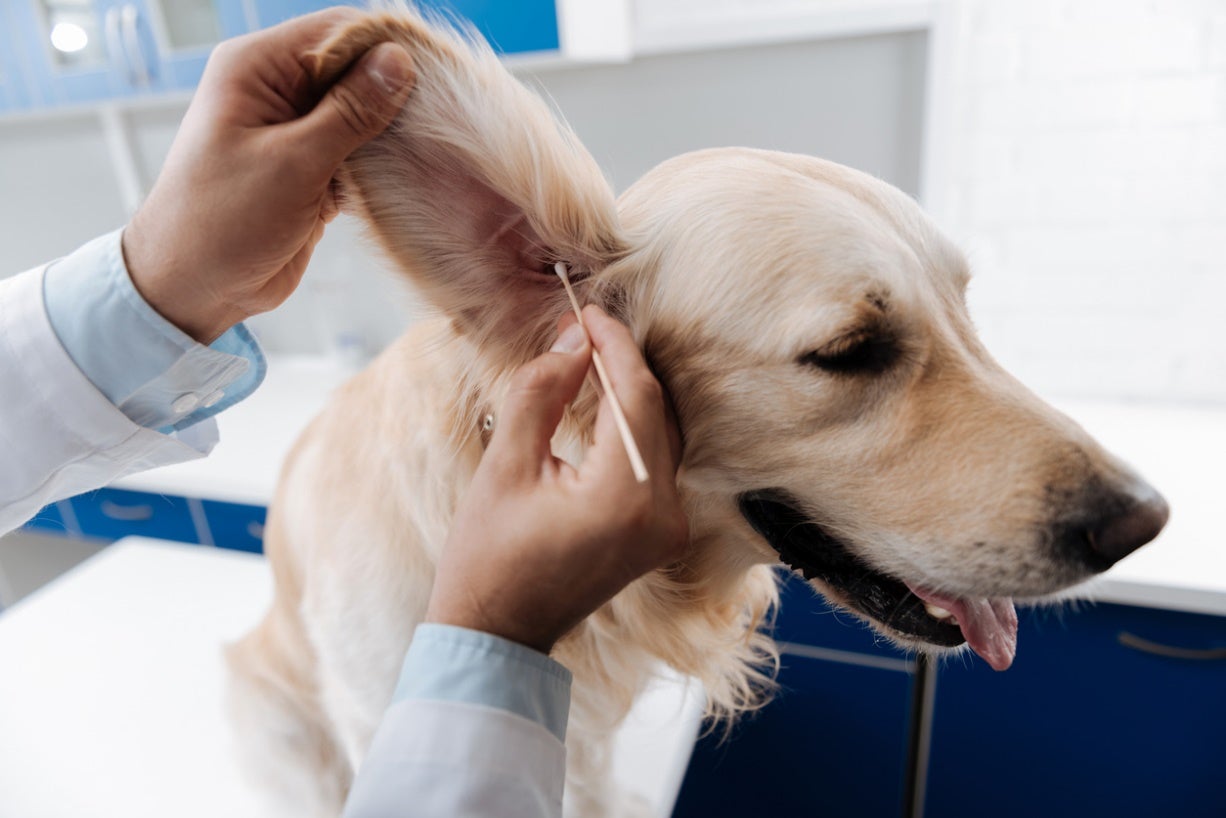
Ear mites are especially common in cats, kittens, puppies, and pets that live closely with other animals.
Pets with ear mites may:
- Shake their heads frequently
- Scratch at their ears
- Develop inflammation in the ear canal
- Produce dark, crumbly ear debris
- Become sensitive around the ears
Because ear mites are highly contagious between pets, prompt treatment is important in multi-pet households.
Why Skin Problems May Become More Noticeable During Summer
Mites can affect pets any time of year. However, during June and the warmer summer months, pets often spend more time outdoors, attend boarding facilities, travel with families, or interact more with other animals. Increased activity and environmental exposure may make skin irritation and parasite problems easier for pet owners to notice.
Seasonal allergies, humidity, and increased outdoor activity can also irritate the skin and make some pets scratch and chew more frequently. In some cases, pet owners may assume allergies are the only cause, when mites or secondary skin infections may also be involved.
In Iowa, this time of year often brings an increase in pets being seen for itching, ear irritation, hair loss, and skin discomfort. Allergies may certainly play a role, but mites are another important possibility that should not be ignored.
For additional information about pet skin parasites and prevention, the American Veterinary Medical Association (AVMA) offers educational resources for pet owners.
Mites or Allergies?
This can be difficult to determine without a veterinary examination because many skin conditions look alike.
Allergies, bacterial infections, yeast infections, and mites can all cause:
- Itching
- Hair loss
- Red skin
- Ear irritation
- Paw chewing
- Skin odor
Some pets may even have multiple conditions occurring at the same time.
At Advanced Pet Care Clinic, diagnosing skin problems may involve skin scrapings, microscopic evaluation, ear examinations, and evaluation for secondary infections. Identifying the correct cause is important because treatment plans can vary significantly.
Treatment for Mites in Dogs and Cats
Treatment depends on the type of mite involved and the severity of the condition.
Your veterinarian may recommend:
- Prescription parasite medications
- Ear medications
- Medicated shampoos
- Treatment for secondary infections
- Anti-itch medications
- Skin support therapies
- Environmental cleaning recommendations
Many pets improve significantly once the underlying problem is properly diagnosed and treated.
When Should You Schedule an Appointment?
If your pet has ongoing itching, hair loss, ear irritation, or skin changes, it is best not to wait too long before scheduling an examination.
Skin conditions can worsen quickly, especially when pets scratch and chew continuously. Early treatment often helps pets feel more comfortable sooner and may prevent more serious skin infections from developing.
If you notice signs of mites in dogs and cats such as scratching, hair loss, or ear irritation, scheduling an examination early can help your pet feel more comfortable sooner.
At Advanced Pet Care Clinic in Cedar Falls, IA, we are here to help identify the cause of your pet’s discomfort and recommend the most appropriate treatment plan to help them feel better again.
If your pet has been scratching more than usual lately, contact us to schedule an appointment.
Frequently Asked Questions About Mites in Dogs and Cats
Can mites in dogs and cats spread to other pets?
Some mites are contagious and can spread between animals through close contact, shared bedding, grooming tools, or living environments. Other mites, such as Demodex, are usually not considered highly contagious in healthy adult pets.
Can humans catch mites from pets?
Some mites can spread from pets to humans through close contact, especially contagious mites such as sarcoptic mange. This may cause skin irritation or itching in people. Other mites, such as Demodex, are generally species-specific and are not considered contagious to humans. If you suspect your pet may have mites, washing your hands after handling them, avoiding close contact with irritated skin areas, and cleaning bedding regularly may help reduce the risk of mites spreading until your pet can be examined by your veterinarian.
Can you see mites on pets?
Most mites are extremely small and cannot be seen easily with the naked eye. Some mites may cause visible signs such as crusting, hair loss, redness, or dark debris in the ears, but the mites themselves usually require microscopic examination for diagnosis.
Will mites go away on their own?
Some mild cases may improve temporarily, but mites and the secondary skin infections they cause often require treatment. Without proper diagnosis and care, symptoms may worsen over time.
How are mites diagnosed in pets?
Veterinarians may diagnose mites using skin scrapings, microscopic evaluation, ear examinations, and evaluation of the pet’s skin and coat condition.
Are mites in dogs and cats treatable?
Yes. Many cases improve very well with the right diagnosis and treatment plan. Depending on the type of mite involved, treatment may include medications, medicated shampoos, ear treatments, and home care recommendations.