

When a dog begins limping on a back leg or no longer wants to run, jump, or climb stairs, it is a sign that something is affecting their mobility. While the cause may be something relatively minor, limping should never be ignored because early diagnosis and treatment can often help prevent further injury and support a better long-term outcome. As we discussed in our recent blog, Recognizing the Early Signs of Hip Dysplasia in Dogs, reduced mobility can have many causes, including hip disease, arthritis, muscle injuries, and injuries affecting the knee.
At Advanced Pet Care Clinic, every dog with a suspected knee ligament injury receives a thorough orthopedic evaluation to determine the most appropriate treatment. Some dogs improve with conservative management and rehabilitation, while others benefit most from TPLO surgery.
Thanks to Dr. Tammy Stevenson's advanced orthopedic surgical training, many dogs can now receive this specialized procedure locally instead of traveling to a specialty referral hospital. If TPLO surgery has been recommended for your dog, understanding how the procedure works—and whether it is the right treatment option—can help you make an informed decision.
What Is a CCL Injury?
Dog owners often search online for "ACL injury in dogs," but veterinarians call this condition a cranial cruciate ligament (CCL) injury. The CCL is the canine equivalent of the ACL (anterior cruciate ligament) in people. Although the names are different, both ligaments serve a similar role in stabilizing the knee.
The cranial cruciate ligament (CCL) is the primary ligament that helps stabilize your dog's knee (called the stifle). It prevents the tibia (shin bone) from sliding forward while your dog walks, runs, and jumps.
When the CCL tears, the knee becomes unstable. With every step, the bones in the knee no longer move together as they should, leading to pain, inflammation, and additional damage. Without appropriate treatment, a CCL injury can cause further damage inside the knee and increase the risk of arthritis.
Because several orthopedic conditions can produce similar symptoms, a thorough orthopedic examination is essential to identify the cause and determine the most appropriate treatment for your dog.
Signs Your Dog May Have a Torn CCL
Not every dog that limps has a CCL injury, but several signs may indicate a problem with the knee, including:
- Limping or favoring a back leg
- Difficulty getting up after resting
- Reluctance to jump into the car or onto furniture
- Trouble climbing stairs
- Sitting with one leg extended to the side instead of tucked underneath
- Swelling around the knee
- Decreased interest in walks, play, or other favorite activities
If your dog is showing any of these signs, schedule a veterinary examination promptly. Early diagnosis can help identify the cause of the problem and determine the most appropriate treatment before additional joint damage occurs.
What Is TPLO Surgery?
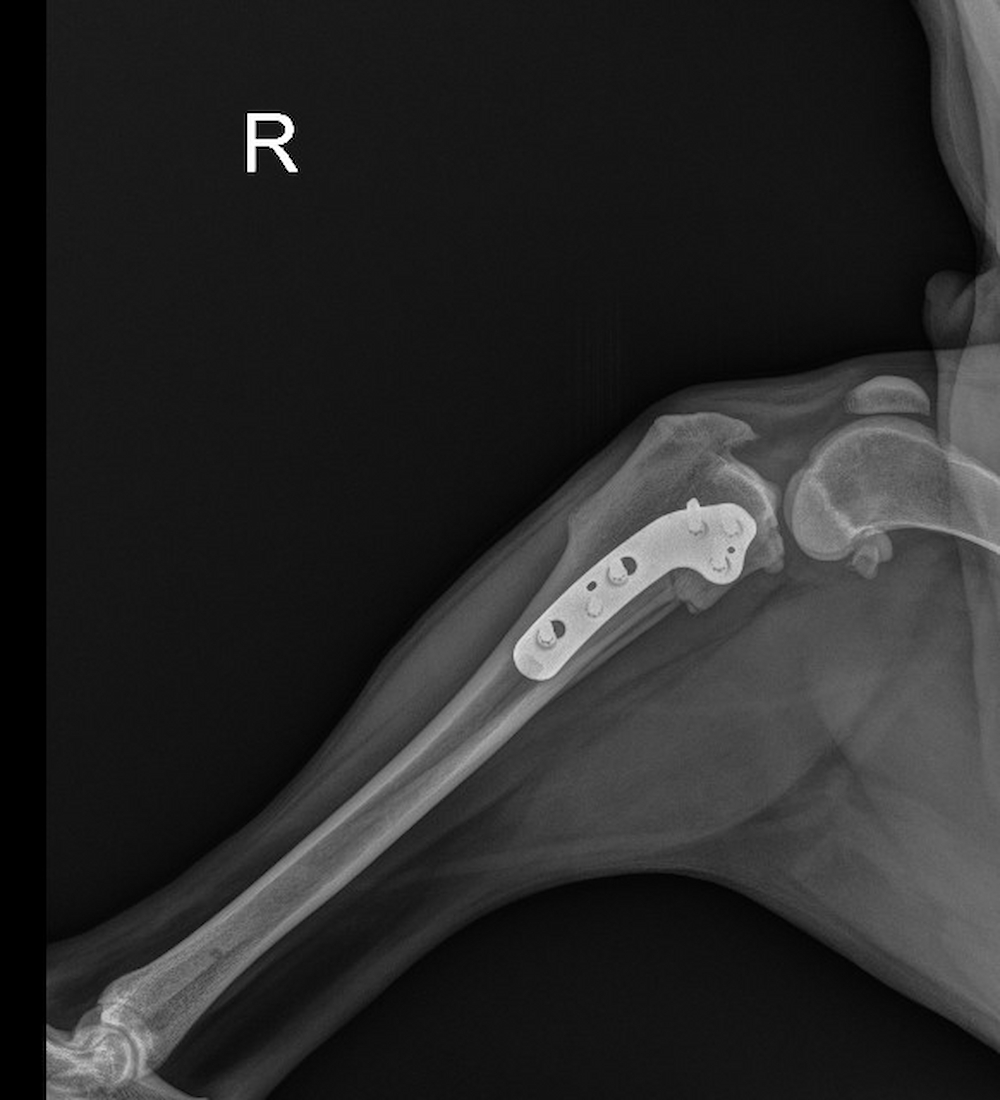
TPLO stands for Tibial Plateau Leveling Osteotomy. It is one of the most successful surgical procedures used to treat partial and complete CCL tears in dogs. Rather than repairing the torn ligament, the surgery stabilizes the knee in a different way, allowing it to remain stable without relying on the damaged ligament.
During the procedure, the top of the tibia (shin bone) is carefully repositioned and secured with a specialized bone plate and screws. As the bone heals, the knee becomes stable without depending on the damaged ligament. This allows many dogs to return to comfortable walking, running, and other normal activities once they have recovered.
Because TPLO is an advanced orthopedic procedure, it requires specialized surgical training and careful planning. Dr. Tammy Stevenson has completed advanced training in orthopedic surgery techniques, surgical planning, and long-term patient care, allowing Advanced Pet Care Clinic to provide this specialized procedure locally rather than referring many patients to a specialty hospital. To learn more about how TPLO surgery is performed and what to expect, visit our TPLO Surgery page.
Does Every Dog With a CCL Injury Need TPLO Surgery?
No. While TPLO is one of the most successful surgical treatments for CCL injuries, it is not always the right choice for every dog.
Treatment recommendations are based on several factors, including the severity of the injury, your dog's size, age, activity level, overall health, and orthopedic examination findings. Some dogs with partial CCL tears or certain smaller, less active dogs may improve with conservative management that includes activity restriction, weight management, pain management, and rehabilitation.
After performing a thorough orthopedic examination and reviewing diagnostic imaging, Dr. Tammy Stevenson will recommend the treatment that best fits your dog's individual needs.
For dogs with complete CCL tears—particularly larger or more active dogs—TPLO often provides the best opportunity to restore knee stability while helping slow the progression of arthritis. Benefits of TPLO surgery may include:
- Excellent long-term function and mobility
- Improved knee stability
- Reduced progression of arthritis
- Faster return to normal activity than many traditional repair methods
- Improved comfort and quality of life
- Successful outcomes for dogs of many sizes and activity levels
Advanced Orthopedic Care Close to Home
Until recently, many dogs needing TPLO surgery were referred to specialty hospitals outside the area. Today, Advanced Pet Care Clinic offers this advanced orthopedic procedure locally, allowing many families to receive specialized surgical care without the added time and expense of traveling to a referral center.
Every dog undergoing TPLO surgery receives a comprehensive orthopedic evaluation, diagnostic imaging, individualized surgical planning, and personalized pain management before surgery. Just as important, your dog's care continues well beyond the procedure itself.
The same veterinary team that evaluates your dog also performs the surgery, monitors healing, answers your questions, and guides each stage of recovery. Having surgery, follow-up care, and rehabilitation available at one location allows your dog's treatment plan to be adjusted as healing progresses, helping support the best possible outcome.
Helping Your Dog Recover After TPLO Surgery
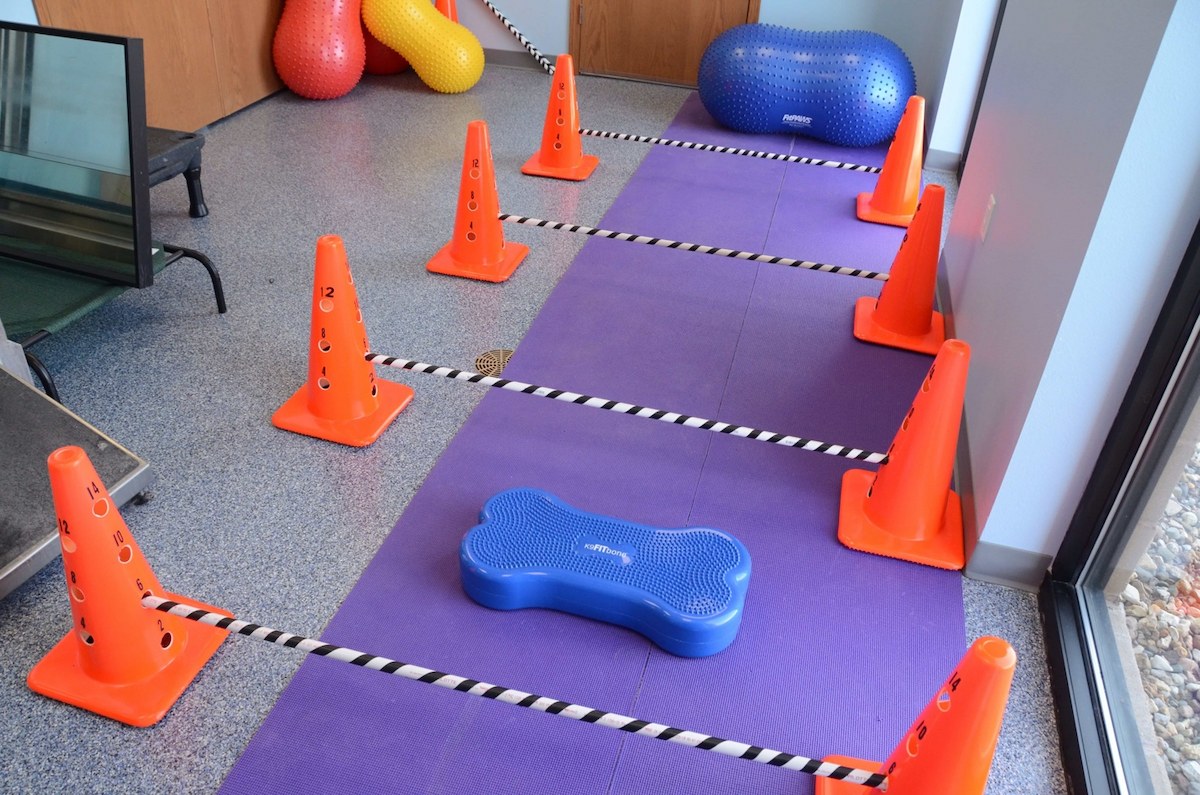
Recovery is an important part of successful TPLO surgery, and Advanced Pet Care Clinic offers rehabilitation services designed to help dogs regain strength, mobility, and confidence as they heal.
Depending on your dog's individual needs, recovery may include therapeutic laser therapy to help reduce pain and inflammation. It may also include underwater treadmill therapy to improve muscle strength while minimizing stress on healing joints, along with customized rehabilitation exercises that support a gradual return to normal activity.
Combined with scheduled recheck examinations, follow-up radiographs to monitor bone healing, and detailed recovery instructions, these services help ensure your dog receives support throughout every stage of recovery.
Give Your Dog the Best Opportunity to Stay Active
A torn CCL can be painful and frustrating, but with prompt diagnosis and the right treatment, many dogs are able to return to the activities they enjoy. Whether your dog benefits from conservative management or TPLO surgery, receiving an early orthopedic evaluation can help prevent additional joint damage and support better long-term mobility.
At Advanced Pet Care Clinic, Dr. Tammy Stevenson and our experienced veterinary team provide advanced orthopedic care from diagnosis through recovery. By combining thorough orthopedic evaluations, advanced TPLO surgery, and personalized rehabilitation services—including therapeutic laser therapy and underwater treadmill therapy—we help dogs throughout every stage of healing so they can return to a more active, comfortable life.
If your dog has been limping or has been diagnosed with a CCL injury, contact Advanced Pet Care Clinic to schedule an orthopedic consultation and learn which treatment option is best for your pet.
Frequently Asked Questions About TPLO Surgery
How long does it take a dog to recover from TPLO surgery?
Every dog heals at a different pace, but most require several weeks of restricted activity while the bone heals. Follow-up examinations and radiographs allow your veterinarian to monitor healing before your dog gradually returns to normal activity.
Can a dog walk after TPLO surgery?
Most dogs begin bearing some weight on the affected leg within a few days after surgery, although activity must be carefully restricted. Your veterinarian will provide detailed recovery instructions and gradually increase activity as healing progresses.
Will my dog need surgery on the other knee?
This is one of the most common questions owners ask after a CCL diagnosis.
Dogs that tear a CCL in one knee have a higher risk of developing a tear in the opposite knee over time. While this does not happen to every dog, maintaining a healthy weight, following your veterinarian's recommendations, and addressing orthopedic problems early may help support long-term joint health.
What happens if a torn CCL is not treated?
Without appropriate treatment, the knee remains unstable. Over time, this can lead to additional damage inside the knee, worsening arthritis, and ongoing pain that affects your dog's quality of life. The American College of Veterinary Surgeons offers additional information about cranial cruciate ligament disease and its treatment.