

Seizures in cats can happen without warning and may be frightening to witness. Some cats suddenly collapse and experience uncontrollable movements, while others have less obvious symptoms, such as facial twitching, unusual behavior, or brief periods of unresponsiveness.
A seizure occurs when abnormal electrical activity in the brain temporarily disrupts normal function. Although a seizure may last only a minute or two, it can indicate an underlying medical or neurological problem.
Any cat that experiences a suspected seizure should be evaluated by a veterinarian, even if the episode ends quickly and the cat appears normal afterward. Understanding the symptoms, possible causes, and treatment options can help you respond appropriately.
Recognizing the Symptoms of Seizures in Cats
Not all seizures look alike. Veterinarians generally classify seizures as generalized or focal, depending on how much of the brain is affected.
Generalized Seizures
Generalized seizures involve widespread abnormal electrical activity in the brain. Symptoms may include:
- Sudden collapse or loss of consciousness
- Stiffening of the body or limbs
- Uncontrolled jerking or paddling movements
- Excessive drooling
- Involuntary urination or defecation
These seizures are usually easy to recognize because the movements are pronounced.
Focal Seizures
Focal seizures affect a limited area of the brain and may be more difficult to identify. Possible symptoms include:
- Twitching of the face, ears, or whiskers
- Repetitive chewing or lip-smacking
- Sudden, unusual behavior
- Staring or appearing temporarily unresponsive
- Involuntary movements involving one part of the body
Some cats remain conscious during focal seizures, while others experience changes in awareness. A focal seizure can occasionally progress into a generalized seizure.
Changes Before and After a Seizure
Some cats become restless, unusually affectionate, or vocal before a seizure.
Afterward, they may appear confused, unsteady, exhausted, or temporarily disoriented. This recovery period is called the postictal phase. It may last minutes to hours, and occasionally longer.
Not every episode of twitching, trembling, or unusual behavior is a seizure. However, sudden or unexplained changes should be investigated.
What Causes Seizures in Cats?
Seizures in cats have several possible causes. Some originate within the brain, while others involve medical conditions affecting the rest of the body.
Medical Conditions That Can Trigger Seizures
Certain illnesses interfere with normal brain function and may cause seizures, including:
- Low blood sugar (hypoglycemia)
- Severe liver or kidney disease
- Electrolyte imbalances
- Certain toxins or medications
- Severe high blood pressure
Identifying these conditions is important because treating the underlying illness may help prevent additional seizures.
Conditions Affecting the Brain
Seizures may also result from problems involving the brain itself, including:
- Head injuries
- Brain tumors
- Infections affecting the nervous system
- Inflammation of the brain
- Structural abnormalities
Sometimes, despite veterinary evaluation, the cause of a cat's seizures cannot be identified.
For additional information about conditions affecting the feline nervous system, see Cornell University's Feline Health Center discussion of neurological disorders.
What to Do if Your Cat Has a Seizure
If your cat experiences a seizure, your immediate priority is preventing injury.
- Stay calm and note the time. Knowing how long the seizure lasts can help your veterinarian assess its severity.
- Keep your cat safe. Move nearby objects that could cause injury and prevent falls from stairs or elevated surfaces if you can do so safely.
- Do not restrain your cat. Holding a cat down during a seizure can cause injuries to both you and your pet.
- Keep your hands away from your cat's mouth. Cats cannot swallow their tongues, and attempting to open the mouth can result in a serious bite.
- Record the episode if it is safe. A short video can help your veterinarian identify the type of seizure or determine whether another condition may be responsible.
- Contact your veterinarian promptly. Even if your cat recovers completely, a suspected seizure warrants evaluation.
When Is a Seizure an Emergency?
Seek emergency veterinary care immediately if:
- A seizure lasts longer than two minutes and is still continuing. Seek emergency veterinary care rather than waiting for it to reach five minutes.
- Your cat experiences repeated seizures within a short period.
- Your cat does not regain consciousness or recover adequately between seizures.
- You suspect poisoning, a serious head injury, or another life-threatening condition.
A seizure lasting five minutes or longer is a life-threatening emergency known as status epilepticus. Prolonged or repeated seizures can cause dangerous increases in body temperature and serious neurological complications.
Caring for Your Cat After a Seizure
After a seizure, provide a quiet, safe place for your cat to recover. Keep your cat away from stairs, high furniture, and other hazards until normal awareness and coordination return.
Monitor your cat's behavior and record any additional episodes, including their duration and symptoms. A seizure diary can help your veterinarian evaluate changes over time and determine whether treatment is effective.
How Veterinarians Diagnose Seizures in Cats
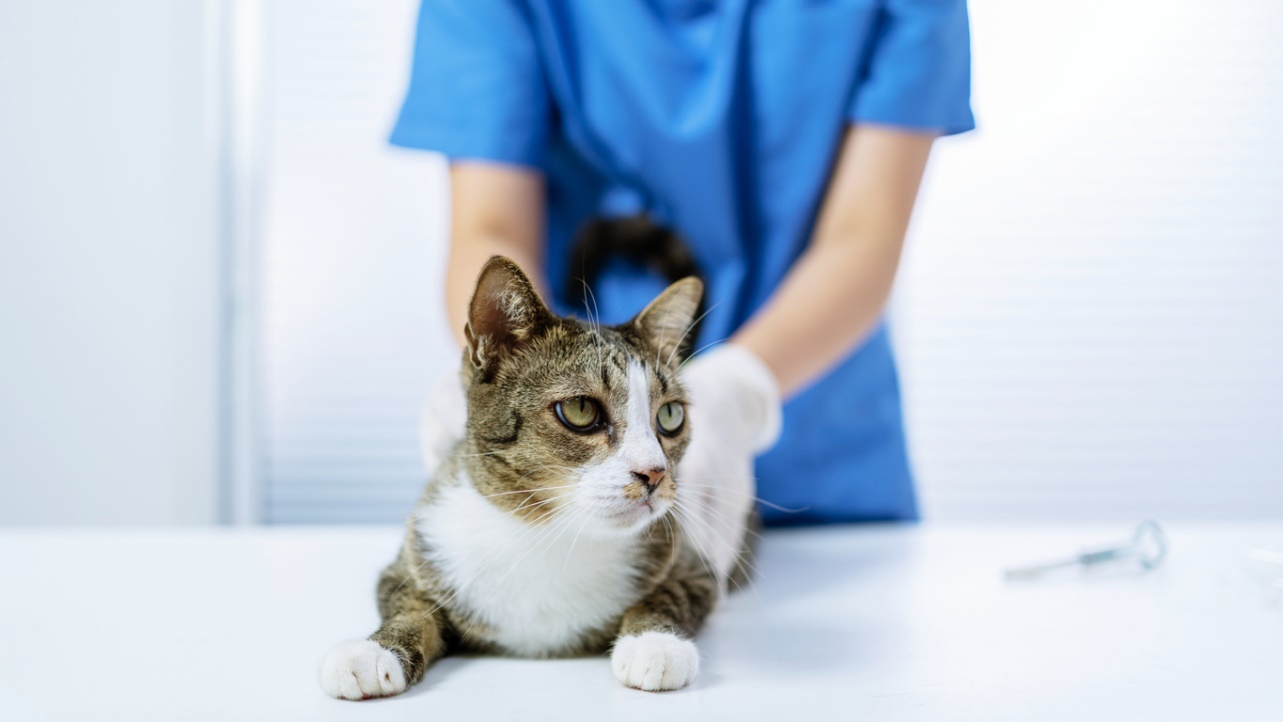
Determining the cause of seizures in cats begins with a review of your cat’s medical history and a thorough physical examination.
Your veterinarian at our clinic will want to know how long the episode lasted, what movements occurred, how your cat behaved afterward, and whether there was any possible exposure to toxins or medications.
Diagnostic testing may include:
- Blood tests to evaluate blood sugar, liver and kidney function, and electrolyte levels
- Urinalysis to help identify underlying metabolic or kidney problems
- Blood pressure measurement to check for hypertension
- Additional testing for suspected infections or other diseases
Advanced Pet Care Clinic provides diagnostic testing as part of its veterinary services. You can learn more about the importance of laboratory testing in the clinic's article, Feline Baselines & Blood Work: How Knowing Your Cat's “Normal” Can Lead to Better Health Outcomes.
If initial testing does not reveal the cause, additional neurological evaluation may be recommended. Depending on your cat's symptoms, this could involve an MRI, examination of cerebrospinal fluid, or referral to a veterinary neurologist.
Treatment Options for Seizures in Cats
Treatment depends on the underlying cause, the severity of the seizures, and how frequently they occur.
When seizures result from low blood sugar, electrolyte abnormalities, or another medical condition, treatment focuses on correcting that problem.
Cats with recurrent seizures or certain neurological disorders may need anticonvulsant medications to reduce seizure frequency and severity. Commonly prescribed medications include phenobarbital and levetiracetam.
Not every cat requires long-term medication after a single seizure. Your veterinarian will consider the examination findings, test results, and seizure history before recommending treatment.
Cats receiving long-term seizure medication generally need follow-up examinations and, depending on the medication, periodic blood testing.
Never stop or change prescribed seizure medication without veterinary guidance. Abrupt changes can increase the risk of additional seizures.
When Your Cat Has a Seizure, Contact Advanced Pet Care Clinic
Seizures in cats should never be ignored. Even a brief episode can indicate an underlying medical or neurological condition that needs attention. Early evaluation may help identify treatable causes and guide appropriate care.
At Advanced Pet Care Clinic in Cedar Falls, Iowa, our team provides veterinary services for cats, including diagnostic testing and medical care.
If you think your cat has experienced a seizure, contact Advanced Pet Care Clinic at (319) 220-5926 for veterinary guidance and an evaluation. For prolonged or repeated seizures, seek emergency veterinary care immediately.