

Advanced Pet Care Clinic – Cedar Falls, Iowa
Winter in Cedar Falls brings chilly mornings, icy sidewalks, and plenty of cozy time indoors—but for many pets, it also brings an unwelcome change: increased joint pain and stiffness. Just like people, dogs and cats feel the effects of cold weather, and January is often when pet parents begin noticing that their furry family members move a little slower, hesitate before jumping, or seem uncomfortable after resting.
The good news is that joint pain does not have to keep your pet from enjoying the season. With the right care—both at home and with support from Advanced Pet Care Clinic—your pet can stay active, mobile, and comfortable all winter long.
Why Winter Makes Joint Pain Worse for Pets
Cold temperatures can be surprisingly tough on your pet’s joints. Here’s why:
- Reduced circulation: Cold weather decreases blood flow to the joints, making them feel stiffer.
- Tightened muscles: Muscles contract in lower temperatures, which puts strain on already sensitive joints.
- Increased inflammation: Pets with arthritis or old injuries often experience more inflammation during winter.
- Lower activity levels: Shorter days and icy conditions can reduce time outdoors, leading to less flexibility and more stiffness.
Cats may be especially good at hiding their discomfort, so signs can be subtle. Pay extra attention to small changes in their mobility this time of year.
Common Signs of Winter Joint Pain in Dogs and Cats
If your pet has been acting “different” since the weather turned cold, these signs may indicate joint pain:
- Slow or stiff movement when getting up
- Limping, especially in the morning
- Hesitation climbing stairs
- Difficulty jumping onto furniture
- Decreased playfulness
- Noticeable soreness after exercise
- Increased irritability (quite common in cats)
These symptoms tend to worsen in January and February as temperatures drop.
Which Pets Are at Higher Risk in Cold Weather?
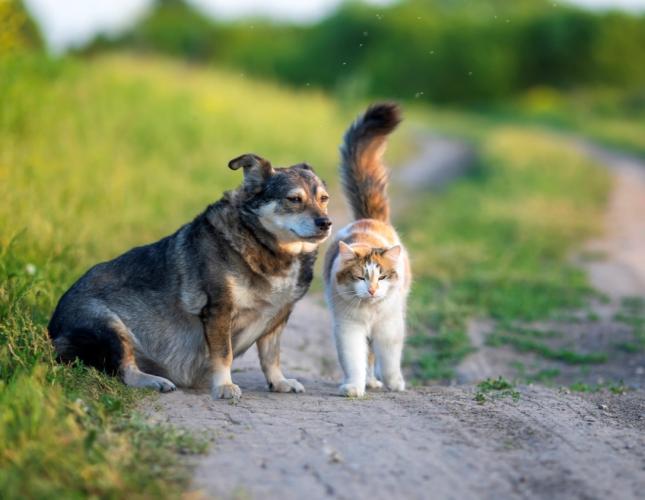
Any pet can experience winter joint discomfort, but certain groups are more likely to struggle, including:
- Senior pets
- Large-breed dogs (Labs, Goldens, German Shepherds, etc.)
- Pets with arthritis or previous injuries
- Overweight pets
- Active or working dogs
- Pets predisposed to hip dysplasia
For many of these pets, especially younger dogs, this is where PennHIP testing becomes incredibly useful.
How PennHIP Testing Helps Detect Hip Dysplasia Early
Hip dysplasia often begins developing long before symptoms appear, and winter can bring out the earliest signs of discomfort. PennHIP testing is an advanced, highly accurate diagnostic method that evaluates the looseness (laxity) of a dog’s hip joints. It can identify risk as early as 16 weeks of age, giving pet parents valuable information long before arthritis sets in.
How Do You Know If Your Dog Is Predisposed to Hip Dysplasia?
Certain breeds are more likely to develop hip dysplasia based on genetics, breed tendencies, growth rate, and even how they move during puppyhood. Large-breed dogs—such as German Shepherds, Labradors, Golden Retrievers, and Bernese Mountain Dogs—have a significantly higher risk. Puppies that grow very quickly, gain weight faster than average, or come from lines with hip issues may also be predisposed. Early movement clues—like “bunny hopping,” sitting with legs tucked to the side, or difficulty climbing stairs—can also signal developing hip laxity.
Because these signs can be subtle, the most reliable way to know your dog’s risk is with PennHIP testing. This screening helps detect hip laxity long before symptoms appear, compares your dog’s hip scores with the breed's average, guides exercise and weight management, and supports breeders and owners of active or working dogs.
Advanced Pet Care Clinic is certified to perform PennHIP testing, giving families the ability to identify hip dysplasia risk early—especially before winter stiffness makes problems more noticeable.
How Advanced Pet Care Clinic Helps Relieve Winter Joint Pain
Our team offers effective, non-invasive therapies that help soothe stiff, uncomfortable joints and improve your pet’s mobility during Iowa’s coldest months.
Laser Therapy
Laser therapy increases circulation, reduces inflammation, and eases discomfort without medication. Many pets experience relief after their very first session. It is safe for both dogs and cats and is ideal for chronic arthritis, hip and knee pain, back pain, and post-surgical recovery. This treatment is especially helpful when cold weather intensifies stiffness.
Rehabilitation Therapy (Including Water Treadmill Treatment)
Our water treadmill is one of the best ways to help pets exercise comfortably when winter limits outdoor activity. Benefits include warm water that increases circulation, buoyancy that removes pressure from achy joints, safe and controlled exercise for overweight or arthritic pets, improved muscle tone and flexibility, and excellent conditioning for active and senior pets. It is also a wonderful tool for post-operative or post-injury recovery.
Personalized Physical Therapy
We design custom therapeutic exercise plans based on your pet’s mobility, comfort level, and overall health. Physical therapy may include range-of-motion work, strengthening exercises, balance training, and core conditioning. These targeted approaches support the hips, knees, elbows, shoulders, and spine—all areas commonly affected by winter stiffness.
Chiropractic Care
Advanced Pet Care Clinic also offers gentle chiropractic care to help restore normal joint motion, reduce muscle tension, and improve overall comfort. Chiropractic adjustments can be especially helpful for pets with chronic back pain, stiffness, or mobility changes that flare up in cold weather. If you would like to learn more, see our blog on Chiropractic Care for Dogs for a deeper look at how this treatment works and which pets benefit most.
What About Cats? Supporting Feline Joint Pain in Winter
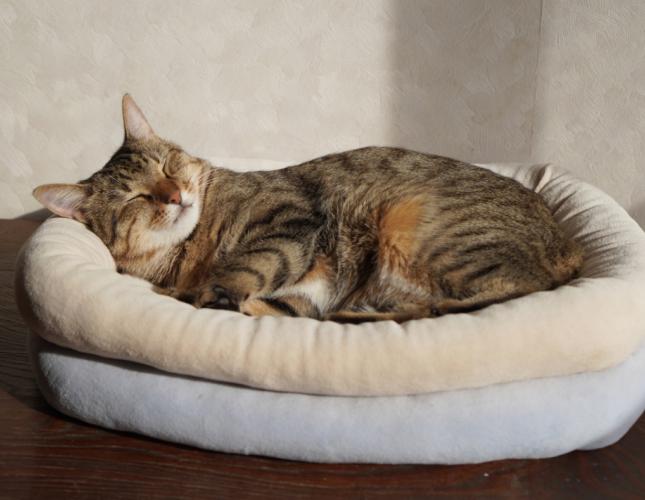
Cats are masters at hiding discomfort, so winter joint pain often goes unnoticed. While cats may not participate in structured physical therapy or water treadmill sessions the way dogs do, there are still excellent options to relieve their stiffness.
Laser therapy is one of the most effective and cat-friendly treatments. It’s quiet, gentle, and non-invasive, making it ideal for easing inflammation and improving mobility in arthritic cats.
Cats may also tolerate gentle chiropractic care when it is performed slowly, quietly, and on their terms. Feline chiropractic adjustments use very light pressure and small, precise movements, and many cats relax as their discomfort eases. The key is that chiropractic for cats always follows the cat’s comfort level rather than a strict set of techniques.
In addition to clinical therapies, cats can benefit from light range-of-motion work, balance exercises, or environmental adjustments such as ramps, soft bedding, and low-sided litter boxes. Even small changes can make a significant difference in their comfort.
If your cat seems slower, less willing to jump, or more irritable during the cold months, Advanced Pet Care Clinic can help determine the safest and most effective ways to manage their winter joint pain.
Home Tips to Keep Your Pet Comfortable This Winter
Slight changes can make a significant difference for pets with joint discomfort:
- Provide soft, supportive bedding (avoid cold floors).
- Use pet-safe heated pads or elevated warming beds.
- Keep nails trimmed for better traction.
- Encourage gentle indoor play.
- Maintain a healthy weight.
- Use ramps or stairs for cars and furniture.
- For cats: offer low-sided litter boxes and easily accessible resting spots.
Consistency is key. Even a few minutes of daily movement can help reduce stiffness.
Schedule an Appointment
You should call us if your pet shows:
- Limping that lasts more than 24 hours
- Trouble standing up
- Pain when touched
- Sudden decrease in activity
- Difficulty navigating stairs or furniture
- Signs of severe arthritis in senior pets
Early care can prevent discomfort from worsening as temperatures continue to drop.
Give Your Pet Relief All Winter Long
Winter joint pain may be common, but your pet does not have to suffer through the season. With laser therapy, rehabilitation, water treadmill treatments, physical therapy, and advanced diagnostic tools like PennHIP testing, Advanced Pet Care Clinic can help your pet feel better, move more easily, and enjoy life again—no matter how cold it gets outside.
Call Advanced Pet Care Clinic today to schedule your pet’s winter mobility evaluation and help them stay comfortable all season long.
4507 Algonquin Drive, Suite ACedar Falls, IA 50613